

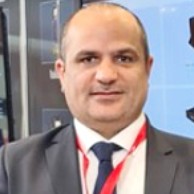
Yakup Aşkın Kaya
Project & Business Development Manager
Istanbul
Summary
Dynamic Project Manager with a proven track record at INFINIDIUM TECNOLOGYES, excelling in team leadership and strategic business planning. Demonstrated success in enhancing project delivery through effective use of technology and robust analytics, achieving significant process improvements. Skilled in negotiations and business intelligence, consistently driving projects to completion within budget and scope.
Overview
4
4
years of professional experience
2
2
Languages
Work History
Project & Business Development Maneger
INFINIDIUM TECNOLOGYES
08.2020 - Current
Project Planning and Initiation:
- The scope, objectives, and success criteria of the projects were defined.
- Workflows were established, project schedules were prepared, and resources were allocated effectively.
- Project kickoff meetings were held with stakeholders to establish a clear vision.
Resource Management:
- Human resources, materials, and budgets were managed efficiently.
- Successfully managed multiple projects simultaneously by prioritizing tasks based on urgency, resource availability, and alignment with organizational goals.
- Task allocations among team members were optimized to maximize performance.
- Risk Analysis and Management:
- Potential risks related to the projects were identified, and effective mitigation strategies were developed.
- Alternative scenarios for unexpected situations were prepared.
Progress Monitoring and Reporting:
- The progress of the projects was regularly tracked and analyzed.
- Evaluation reports based on key performance indicators (KPIs) were prepared.
- Regular updates were provided to senior management and other stakeholders.
Communication and Coordination:
- Effective communication between project teams, clients, and stakeholders was ensured.
- Inter-departmental coordination was facilitated to complete projects on time and within budget.
Quality Assurance and Delivery:
- Projects were completed in compliance with specified standards and quality expectations.
- Actions to enhance customer satisfaction during post-delivery processes were taken.
Technology and Tool Utilization:
- Project management tools ( Microsoft Project, Trello, Jira, Asana) were utilized to digitize and streamline processes.
- Advanced Excel, data analysis, and reporting tools were used for budgeting and performance tracking.
Result Orientation:
- Projects were completed within the defined timeframe, budget, and scope.
- Retrospective evaluations were conducted to identify opportunities for process improvement.
Skills
Business development
Team leadership
Lead generation
Negotiations
Team building
Project management
Sales presentations
Business development and planning
Business planning
Account management
Decision-making
Strategic business planning
Operations
Issue resolution
Business intelligence and analysis,
Order management
Analytics
Timeline
Project & Business Development Maneger
INFINIDIUM TECNOLOGYES
08.2020 - Current