Travel

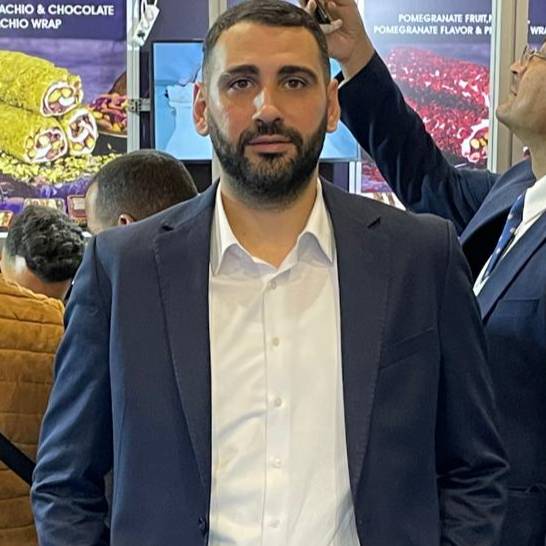
Hi, I’m
Talha Caglar
Sales Specialist
ISTANBUL
Summary
Seasoned Sales Representative with exceptional success in business-to-business and business-to-consumer sales within multiple industries. Proven track record in exceeding sales goals, growing business and expanding territories. Accomplished in overseeing day-to-day business operations and fostering relationships with customers and clients for sustained business growth.
Overview
15
years of professional experience
2
Languages
Work History
Kesekler Kuruyemis Gida Turizm San.TicISTANBUL
Sales Specialist
2022.04 - Current (4 education.years_Label & 6 education.months_Label)
Job overview
- Created and implemented sales strategies to successfully meet company targets.
- Generated weekly and monthly reports on sales performance to provide recommendations to meet sales goals.
- Provided first-rate service to all customers and potential customers.
- Retained excellent client satisfaction ratings through outstanding service delivery.
- Managed customer accounts to secure customer satisfaction and repeat business.
- Followed up with customers after completed sales to assess satisfaction and resolve technical or service concerns.
- Used customer insights to develop innovative sales strategies to increase sales.
- Developed and delivered engaging sales presentations to convey product benefits.
- Built rapport with customers and assessed needs to make product recommendations and upsell.
- Drafted, finalized and submitted paperwork to complete sales.
- Developed and implemented sales strategies to increase profits.
Estetik InternationalISTANBUL, TURKIYE
Sales Specialist
2021.02 - 2022.03 (1 education.year_Label & 1 education.month_Label)
Job overview
- Provided professional services and support in a dynamic work environment.
- Strengthened communication skills through regular interactions with others.
- Worked well in a team setting, providing support and guidance.
- Assisted with day-to-day operations, working efficiently and productively with all team members.
- Self-motivated, with a strong sense of personal responsibility.
- Organized and detail-oriented with a strong work ethic.
- Developed and maintained courteous and effective working relationships.
- Demonstrated respect, friendliness and willingness to help wherever needed.
CGM ERAS INSAAT MALZELERI ITHALAT IHRAVATISTANBUL, TURKIYE
Salesperson
2015.12 - 2021.01 (5 education.years_Label & 1 education.month_Label)
Job overview
- Showcased product features to customers and discussed technical details to overcome objections and lock in sales.
- Followed up with customers after completed sales to assess satisfaction and resolve technical or service concerns.
- Supported retail distributors, dealers and customers through in-person and telephone support.
- Provided first-rate service to all customers and potential customers.
- Created and implemented sales strategies to successfully meet company targets.
- Demonstrated product features, answered questions and persuasively overcame objections.
- Educated customers about product features and benefits to aid in selecting best options for each individuals' needs.
- Generated weekly and monthly reports on sales performance to provide recommendations to meet sales goals.
- Managed customer accounts to secure customer satisfaction and repeat business.
- Collaborated with cross-functional teams to identify and address customer needs.
Peppermill Resort Spa Casino, RenoReno, Nevada,USA
Receptionist
2008.11 - 2010.02 (1 education.year_Label & 3 education.months_Label)
Job overview
- Managed multiple tasks and met time-sensitive deadlines.
- Resolved customer problems and complaints.
- Confirmed appointments, communicated with clients, and updated client records.
- Greeted incoming visitors and customers professionally and provided friendly, knowledgeable assistance.
- Kept reception area clean and neat to give visitors positive first impression.
- Responded to inquiries from callers seeking information.
- Welcomed customers with friendly greeting, answered general questions, gathered nature of visit and directed to specific offices.
- Handled assignments independently with good judgement and critical thinking skills.
Education
MEHMED BEYAZID LISESIISTANBUL
High School Diploma
2001.04
Skills
Complaint resolution
Customer service and care
Fluent in English
Problem solving strength
Customer Relations
Lead prospecting
Product promotions
Client Service
Marketing
Interests
Arts and Creativity
Sports and Fitness
Cooking and Food
Nature and Outdoor Activities
Music and Entertainment
Cultures
Turkish culture has been shaped by a long and storied history that includes the Byzantine and Ottoman Empires. The Ottoman Empire, in particular, played a pivotal role in forming many aspects of modern Turkish culture.
Turkey is located at the crossroads of Europe and Asia, which has contributed to its unique blend of cultural influences. The majority of the population is ethnically Turkish, but there are also significant Kurdish and other minority communities
Islam, specifically Sunni Islam, has had a profound influence on Turkish culture. Concepts like hospitality, family values, and respect for elders are highly regarded.
Turkey has a rich tapestry of traditions, including religious festivals, holidays like Ramadan and Eid, and unique ceremonies like henna nights before weddings. The Turkish bath (hamam) is also an important cultural tradition.
The official language is Turkish, and the Turkish alphabet is based on the Latin script. Hand gestures and non-verbal communication are often used in daily interactions.
Turkish cuisine is famous for its diverse and delicious dishes. Key elements include kebabs, baklava, Turkish delight, and a variety of mezes (appetizers). Turkish tea and coffee are also integral to the culture.
Turkish art is diverse, with influences from Islamic, Ottoman, and contemporary styles. Traditional Turkish music includes genres like classical Ottoman music and folk music. Turkish carpets and calligraphy are also highly regarded forms of art.
Traditional Turkish clothing includes garments like the kaftan, fez, and the headscarf for women. However, contemporary fashion is diverse and reflects both Western and traditional influences.
Family is of great importance in Turkish culture, and there is a strong sense of community. Respect for elders and extended family ties are essential. The family unit plays a central role in social life.
Gender roles have evolved over the years, with increasing opportunities for women in education and the workforce. However, traditional gender roles can still be prominent in certain parts of the country.
Turkey is experiencing a transition between its historical roots and modern influences. Urbanization, globalization, and political challenges have all had an impact on the culture.
Turkish culture is characterized by its warmth, hospitality, and the ability to seamlessly blend the old with the new. While it maintains its rich traditions, it also adapts to the demands of the modern world, making it a fascinating and dynamic culture to explore.
Timeline
Sales Specialist
Kesekler Kuruyemis Gida Turizm San.Tic
2022.04 - Current (4 education.years_Label & 6 education.months_Label)
Sales Specialist
Estetik International
2021.02 - 2022.03 (1 education.year_Label & 1 education.month_Label)
Salesperson
CGM ERAS INSAAT MALZELERI ITHALAT IHRAVAT
2015.12 - 2021.01 (5 education.years_Label & 1 education.month_Label)
Receptionist
Peppermill Resort Spa Casino, Reno
2008.11 - 2010.02 (1 education.year_Label & 3 education.months_Label)
MEHMED BEYAZID LISESI
High School Diploma
2001.04